About Me
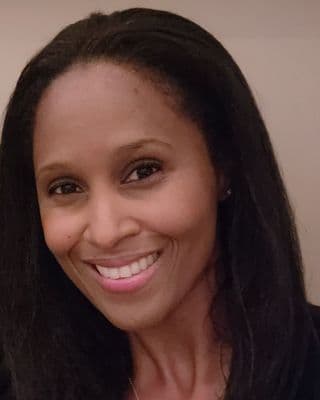
Sarah is a Licensed Marriage and Family Therapist (LMFT). She received her master’s degree in Clinical Psychology, with an emphasis on Marriage and Family Therapy from Azusa Pacific University in 2018. Sarah is a LivingWorks Registered Trainer in both Applied Suicide Intervention Skills Training (ASIST) and safeTalk. She is also a trainer for Non-violent crisis Intervention (NCI) training and trauma informed systems (TIS 101). Sarah is a clinical supervisor and provides clinical supervision to both students and associates. Sarah speaks English, Arabic and German fluently. She has experience working with children, teens and their families providing intensive outpatient services as well as school-based services. Moreover, she has experience working with older adults who used to experience homelessness. Sarah likes to hike, travel, and experience new adventures.
Our First Conversation
Our first session is a conversation, not an intake form. I'll ask what brought you in, what you've already tried, and what you're hoping changes. We'll figure out together whether we're a fit; if I think someone else on the team would serve you better, I'll say so.
From there, weekly 50-minute sessions are typical for the first few months. We'll check in periodically on what's working and recalibrate if something isn't. I send no homework you didn't agree to, and I don't grade you on between-session work — but I'll often suggest small experiments that move things forward faster than talk alone.
What You Can Count On From Me
The clients who've stayed longest tell me three things stand out. I track the throughline across sessions and bring it back into the room so a pattern you couldn't quite name becomes hard to miss. I push back when I think you're circling something rather than landing on it. And I treat fit as my problem to solve, not yours — if I think someone else on our team would serve you better, I'll say so before you've invested weeks finding out.
Who I’m Here For
My strongest fit is with adults in their 20s through 40s who look like they're handling life from the outside but feel persistently anxious, depleted, or disconnected underneath. That includes professionals running hot from burnout, partners working through the long aftermath of a rupture, and people processing grief or family-of-origin patterns showing up uninvited in adult relationships.
My Therapeutic Approach
I draw primarily on Cognitive Behavioral Therapy (CBT) and Acceptance and Commitment Therapy (ACT). With CBT, I'm less interested in worksheets and more interested in helping you notice the thoughts that drive the loop you're stuck in — and then experimenting with what changes when you respond differently. ACT adds the piece CBT alone can miss: defining what actually matters to you, and using that as the anchor when life pulls in other directions.
For clients carrying trauma, I'm trained in EMDR and integrate it when it fits, with full transparency about what we're doing and why.
Treatment Methods
Cognitive Behavioral Therapy (CBT)
CBT helps you identify thought patterns that contribute to anxiety, depression, and stress — then build skills to interrupt and change them. Highly effective and well-researched.
Faith Based - Christian
An evidence-informed therapeutic approach used by our providers. Ask your therapist how they integrate this method into your work together.
Mindfulness-Based Therapy
Mindfulness-based approaches build present-moment awareness and a kinder relationship with your own thoughts. Often integrated with CBT or used as a standalone practice for anxiety and depression.
Solution-Focused
An evidence-informed therapeutic approach used by our providers. Ask your therapist how they integrate this method into your work together.
Note: Each session is 60 minutes, whether it’s your first consult or an ongoing visit.
Insurance Accepted
Kaiser Permanente
Don’t see your plan? Call 909-295-5805 — we can verify your benefits.
Age Preferences
Young Adults (18-30)Middle Adulthood (30-64)Elderly (65 +)
Clinical Focus
Adjustment IssuesAnxietyBehavioral ProblemsCoping SkillsDepressionDomestic ViolenceFamily ConflictGrief and LossLife TransitionPTSDRelationship IssuesSchool ProblemsSelf EsteemSpiritualityTrauma
Location
Sessions are offered via secure video. Available statewide across California.